

The Assessment Process:
Initial Consultation:
We will schedule a telephone consultation to determine if a full diagnostic assessment is suitable and to gather some background information about your child.
Before setting a date for the assessment, it will also be important that your child is up to date with their eye tests.
We will then set a date for the assessment if necessary. Please be aware that there may be a waitlist.
Parental, Pupil and School Questionnaires
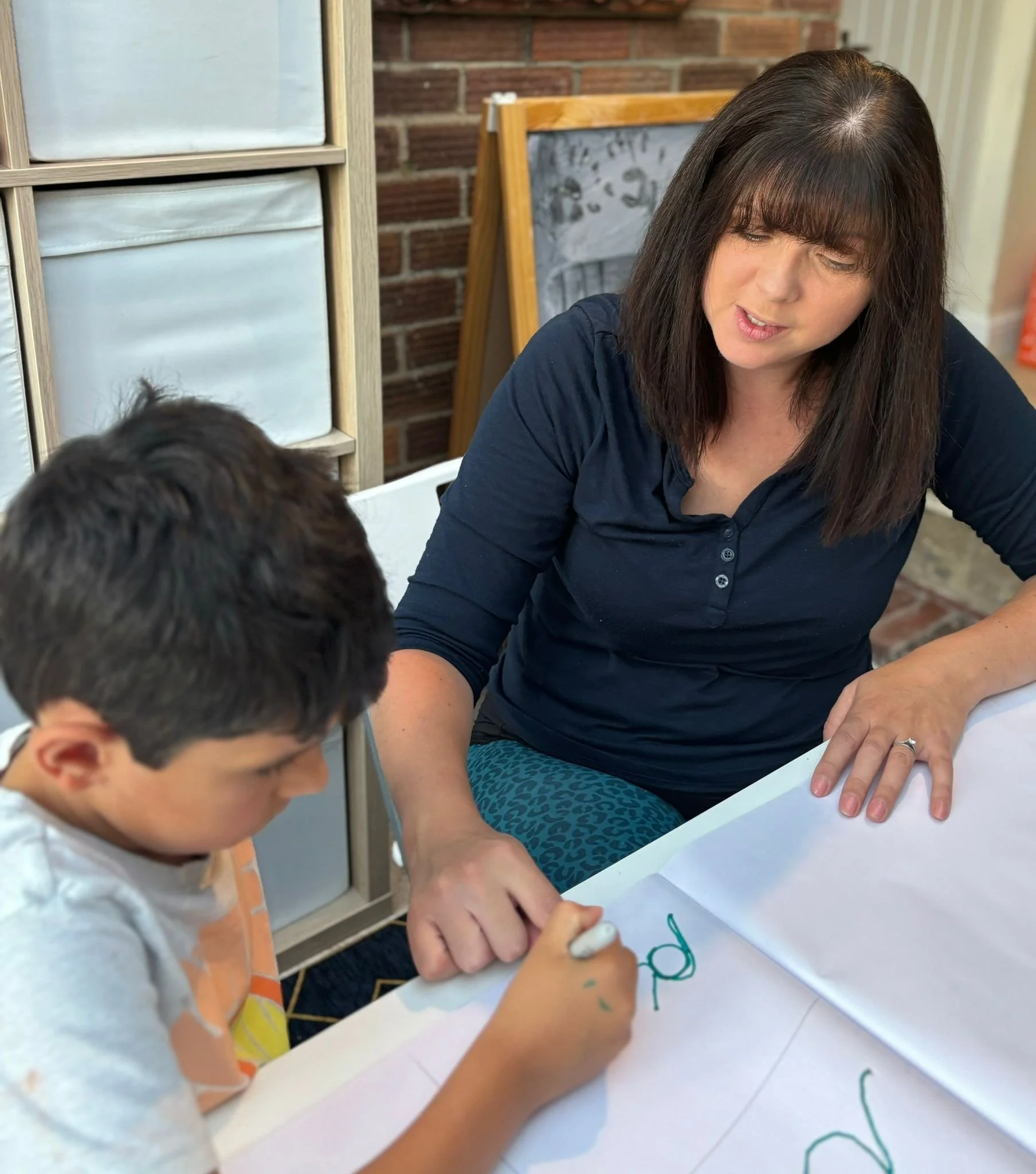
Once the assessment date has been booked, background questionnaires will be sent to parents/carers, teachers and the child or young person. These questionnaires gather information about the child's developmental, educational and learning history, as well as their strengths, areas of difficulty and the impact these may have on their day-to-day learning. Information from multiple perspectives helps to build a comprehensive picture of the child's needs and informs the assessment process.
Before the Assessment:
Assessment Day :
A diagnostic assessment aims to determine whether an individual has dyslexia and, where appropriate, provide a formal diagnosis.
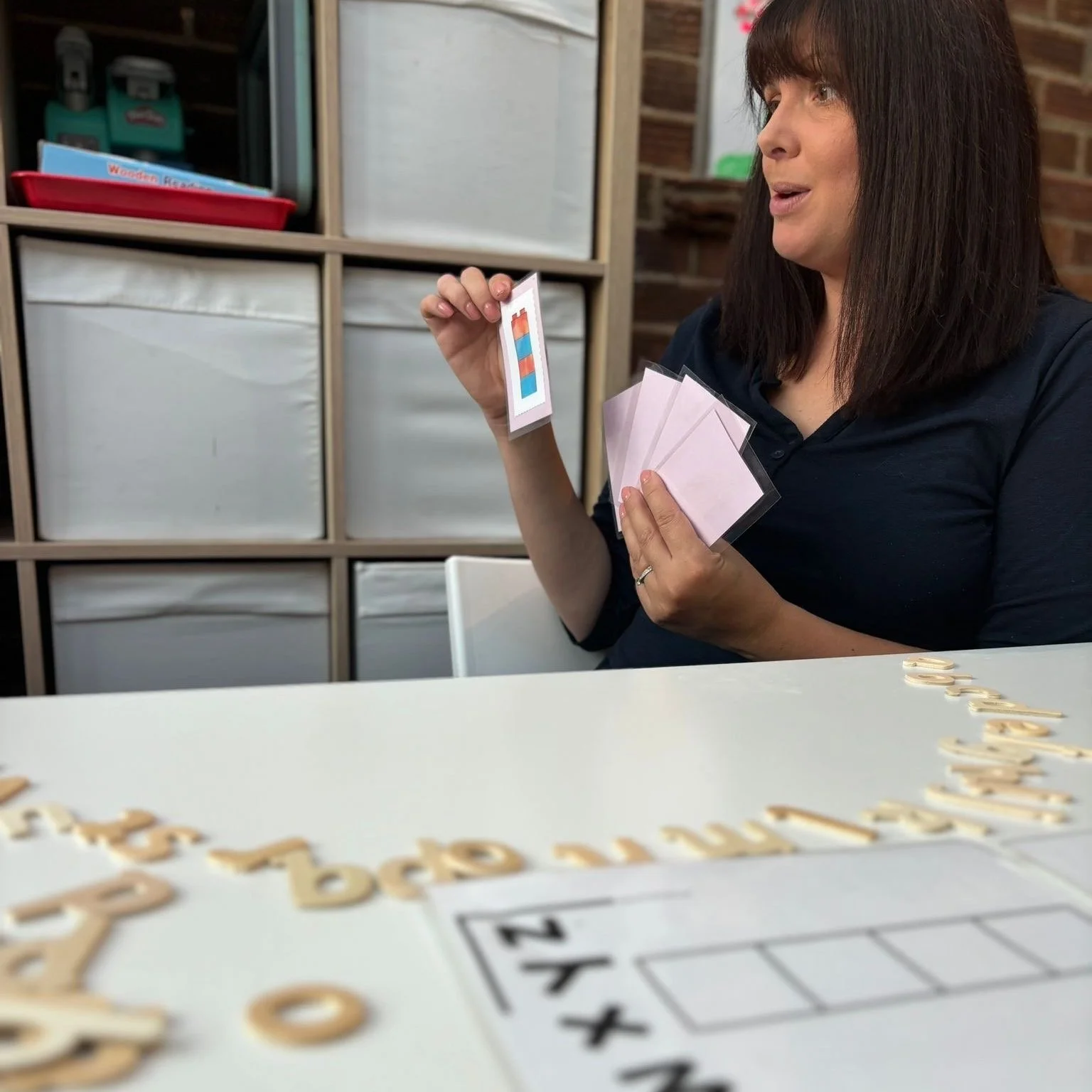
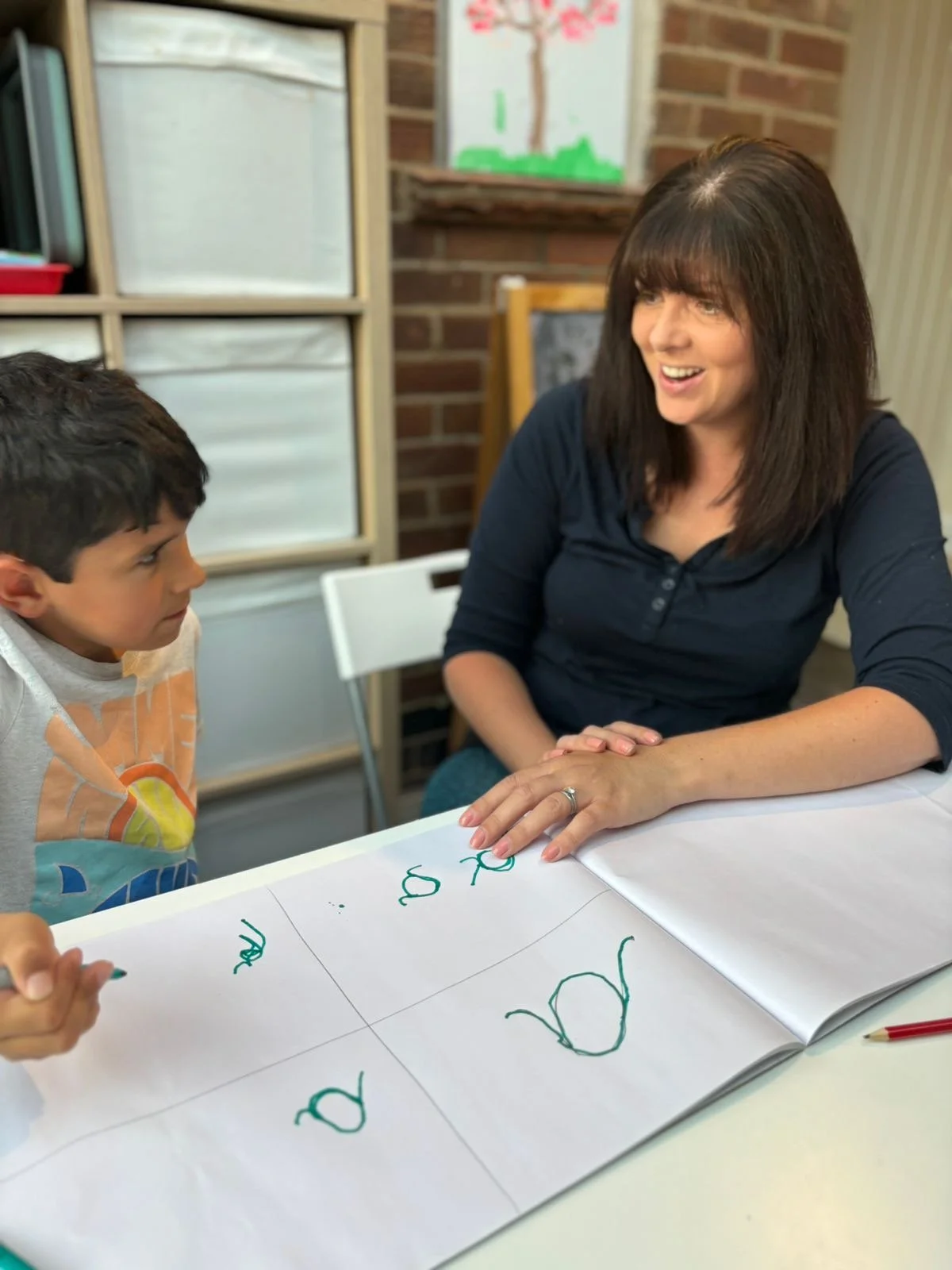
The most important thing is that your child feels comfortable and at ease. The assessment will take place in a calm, friendly and supportive environment.
Before the assessment begins, there will be a short discussion with you and your child to gather any additional background information. Your child may bring a water bottle, and all assessment materials will be provided.
The assessment involves a range of activities, including reading, writing, spelling, listening and problem-solving tasks. Parents will be asked to remain on site throughout the assessment (unless it is taking place in school) but will wait in a separate area while testing is carried out.
The Report:
The assessor may give some insights at the end of the assessments; however, you will need to wait for the full report for confirmation of a dyslexia diagnosis.
Approximately three to four weeks after the assessment, you will receive a full, detailed written report that includes personalised support and intervention recommendations.
Reports are prepared in accordance with the latest SASC guidelines. For more information, please visit http://www.sasc.org.uk/.